Let us create a personalised routine to help guide you towards youthful, healthier skin.
How To Protect Your Skin Barrier During Haze Season
Home >

By Dr Isabelle Yeoh
At Forest MD, we are constantly refining our formulas to ensure our high-potency Swiss actives perform at their absolute peak.
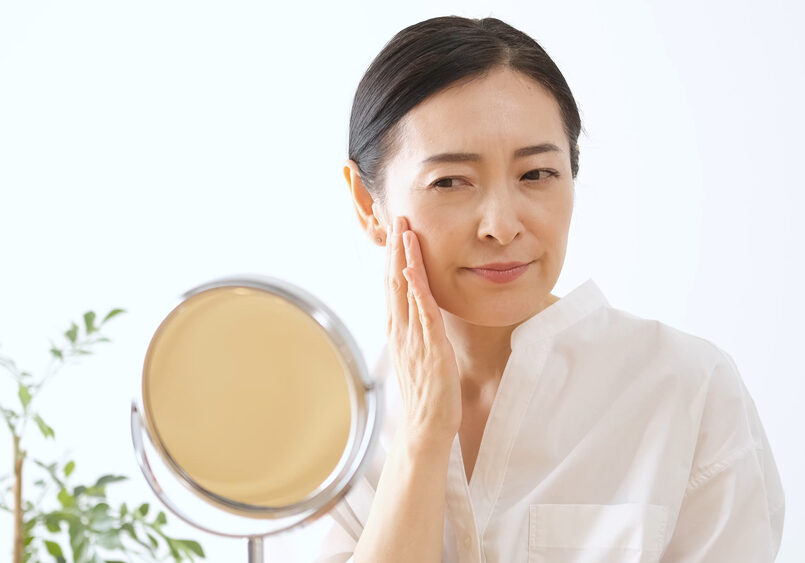
When the haze arrives, you may notice that your skin suddenly feels more dry, tight, sensitive or itchy. Some people notice more pimples or congestion, while others find that skincare products they normally use begin to sting.
Your complexion may also look more dull, tired or stressed than usual.
Why does this happen?
One reason may be your skin barrier.
What Is the Skin Barrier?
Think of your skin barrier as your skin’s first line of defence.
It helps keep moisture in while protecting the skin from irritants and environmental stressors. When the barrier is healthy, skin feels hydrated, comfortable and resilient.
During haze season, particulate matter and other air pollutants come into contact with our skin. Add Singapore’s heat and humidity, sweat, sunscreen, makeup and long hours in air-conditioning, and some people’s skin may become more stressed and reactive than usual.
Research suggests that particulate air pollution can increase oxidative stress and inflammation in the skin and may affect normal skin-barrier function.
Studies have also found that environmental pollutants may increase transepidermal water loss (TEWL) — the loss of water through the skin — and affect the structural integrity of the skin barrier.
This may help explain why skin can sometimes feel more dry, tight, sensitive or uncomfortable during periods of poorer air quality.
The good news is that caring for your skin during haze season does not require a complicated routine.
We recommend four simple principles:
Cleanse. Hydrate. Strengthen. Protect.
1. Cleanse Well — But Gently
During haze season, cleansing helps remove sunscreen, makeup, sweat, excess oil and environmental buildup from the skin.
Cleanse once in the morning and double cleanse in the evening for a more thorough removal of makeup, sunscreen and impurities accumulated throughout the day.
If you’ve spent a prolonged period outdoors during heavier haze, cleanse your face when you get home rather than leaving sweat, sunscreen and environmental buildup on the skin for the rest of the day.
What we don’t recommend is repeatedly washing your face or trying to scrub pollution away. Over-cleansing and excessive exfoliation can further compromise the skin barrier.
Your skin should feel clean after washing, but not tight or “squeaky”.
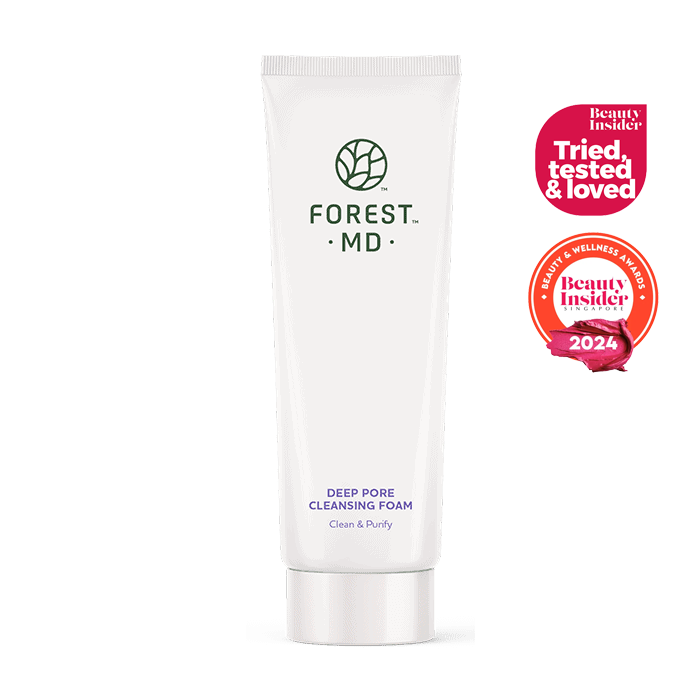
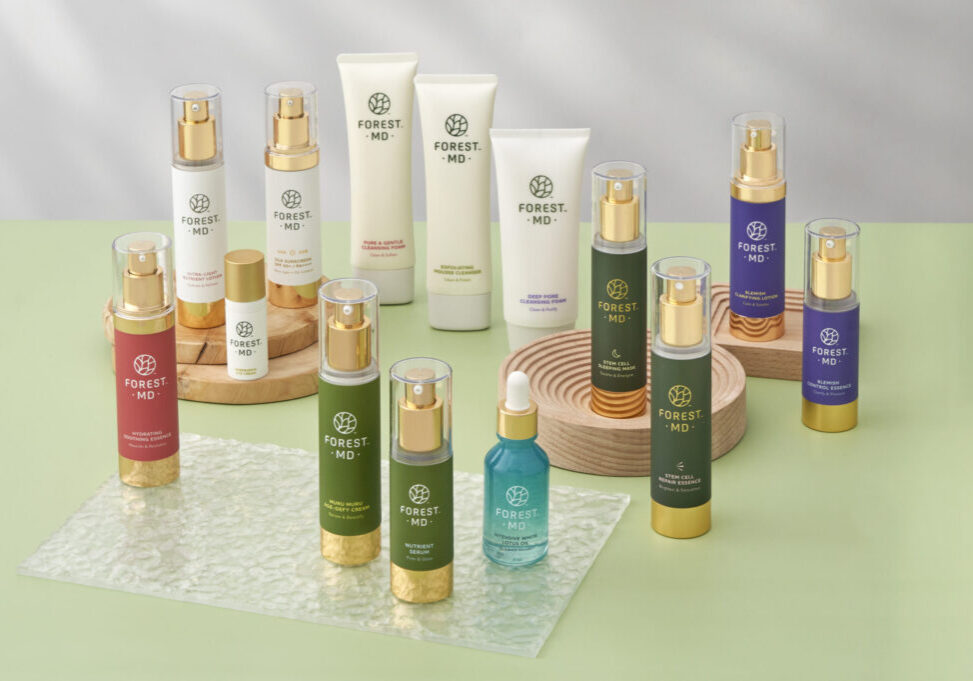
All Forest MD cleansers are gentle on the skin without stripping it. For haze season, Deep Pore Cleansing Foam is a good choice because it cleanses thoroughly while also providing hydrating, soothing and antioxidant support — useful when the skin is exposed to increased environmental stress.
2. Replenish Hydration
When skin-barrier function is compromised, the skin may lose water more easily.
This is why hydration becomes particularly important when your skin feels tight, dry or uncomfortable.
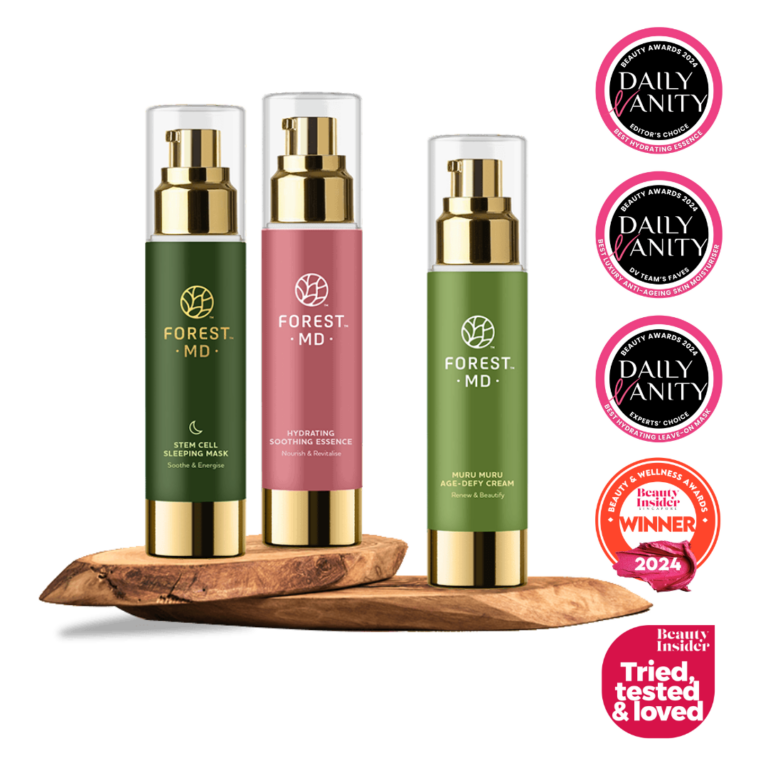
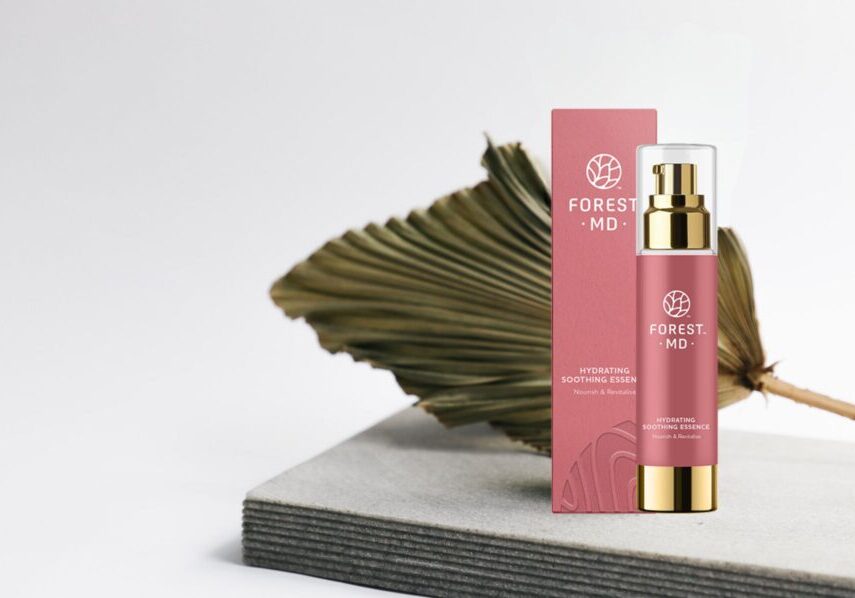
After cleansing, Forest MD Hydrating Soothing Essence provides a light layer of hydration and soothing care before your serum and moisturiser. One of its signature ingredients is tremella mushroom (snow fungus or bai mu er), a superfood mushroom rich in polysaccharides that help draw moisture into the skin. Its antioxidant and anti-inflammatory properties also help calm and soothe dry, irritated or sensitive skin.
Hyaluronic acid is another of our favourite hydrating ingredients because of its ability to attract and retain water in the skin.
But hydration alone is not always enough. We also want to support the skin barrier so that it can hold on to that moisture.
3. Support Your Skin Barrier and Antioxidant Defences
Rather than introducing many new active ingredients during haze season, focus on ingredients that hydrate, soothe, strengthen the skin barrier and provide antioxidant support.
Some of our favourites include:
Niacinamide (Vitamin B3)
Helps support normal skin-barrier function and has soothing and anti-inflammatory properties.
Ceramides
Important components of the skin’s natural lipid barrier that help retain moisture and support barrier function.
Centella asiatica
Widely used for its calming and skin-recovery properties.
Hyaluronic acid
Helps replenish hydration and maintain moisture in the skin.
Astaxanthin and Vitamin C
Antioxidants that help defend the skin against oxidative stress.
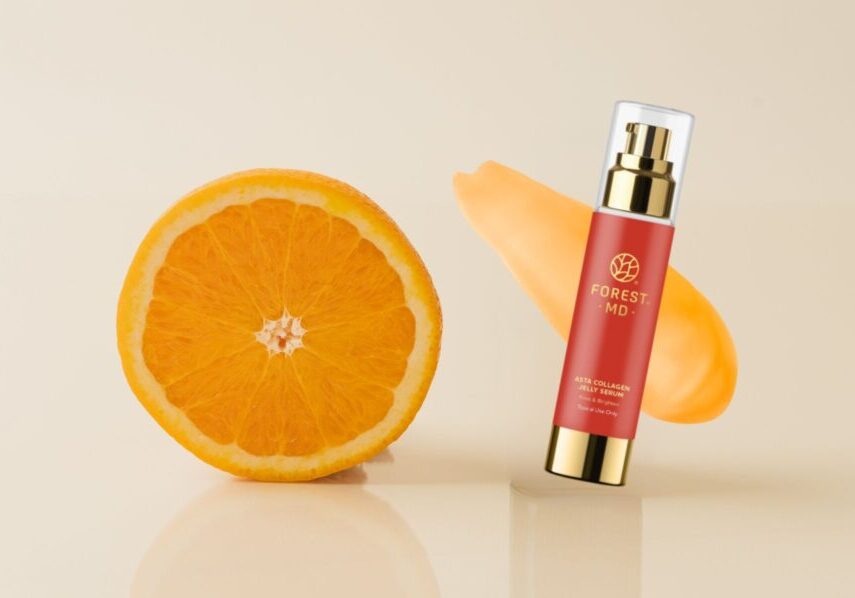
Forest MD Asta Collagen Jelly Serum brings these ingredients together in one lightweight serum, with niacinamide, ceramides, Centella asiatica, hyaluronic acid, astaxanthin and Vitamin C. It also contains other soothing and barrier-supporting ingredients including madecassoside, tremella mushroom and panthenol.
This makes it a useful all-in-one serum during haze season, when the focus is on hydration, antioxidant protection and supporting the skin barrier rather than layering multiple active serums.
Follow With a Moisturiser
After your serum, follow with a moisturiser to help retain hydration and further support the skin barrier.
Choose the texture according to your skin’s needs. Ultra-Light Nutrient Lotion provides lightweight moisturisation and is suitable for combination, oily, sensitive or breakout-prone skin.
If your skin is more dry or needs more nourishment, Muru Muru Age-Defy Cream provides richer hydration together with skin-repair and barrier support.
If your skin becomes very dry, red, peeling or uncomfortable, simplify your routine rather than continuing to layer multiple active products.
4. Don’t Forget Sun Protection
A grey or hazy sky does not mean there is no ultraviolet exposure.
There is also growing scientific interest in how UV radiation and air pollution may interact to increase oxidative stress in the skin. Certain components of air pollution can be photoactivated by UV radiation, potentially adding to environmental stress on the skin.
So continue using sunscreen every morning.
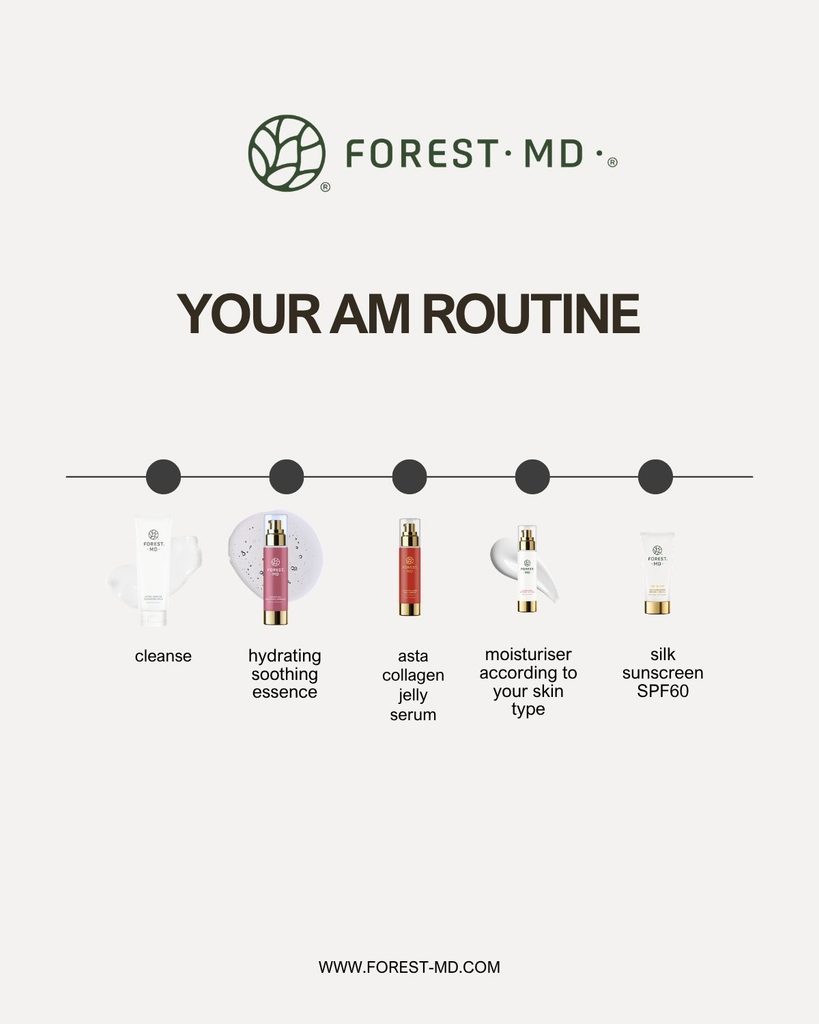
Forest MD Silk Sunscreen SPF60 can be used as the final step of your morning skincare routine.
Sun protection is especially important if you are prone to melasma, post-acne marks or pigmentation after inflammation.
Reapply when appropriate if you are spending prolonged periods outdoors, perspiring heavily or frequently wiping your face.
Give Your Skin Extra Support at Night
Night-time is a good opportunity to replenish hydration and support skin recovery after a day of exposure to environmental stress.
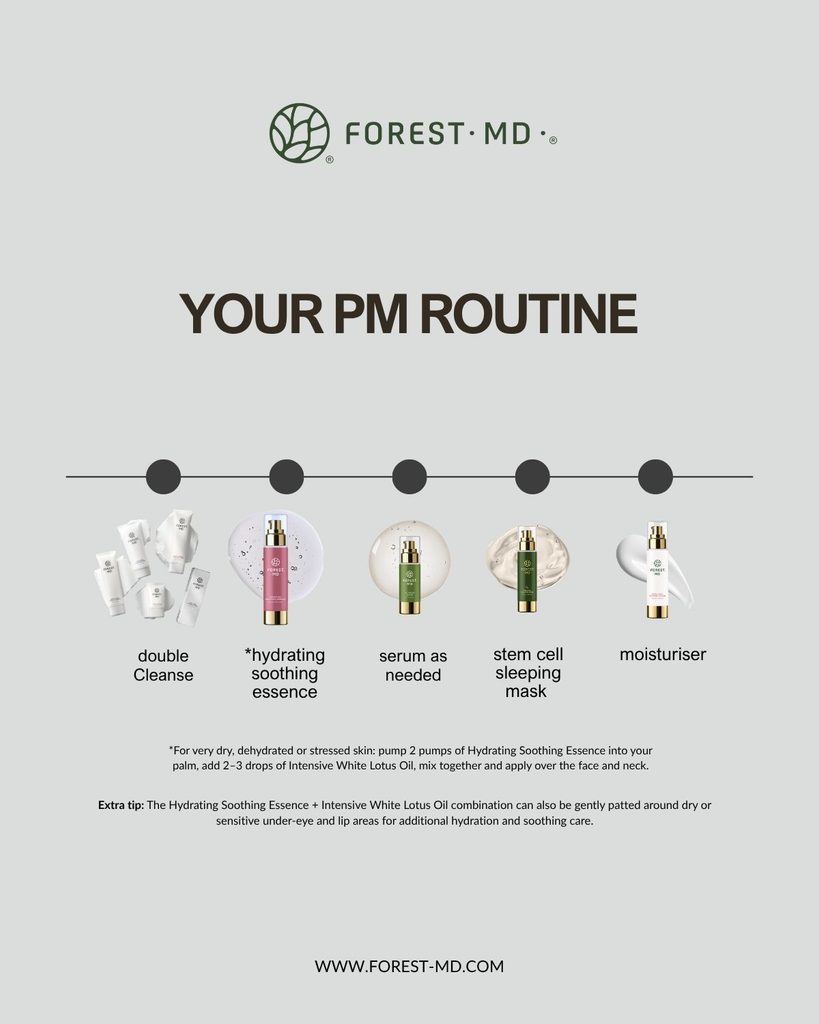
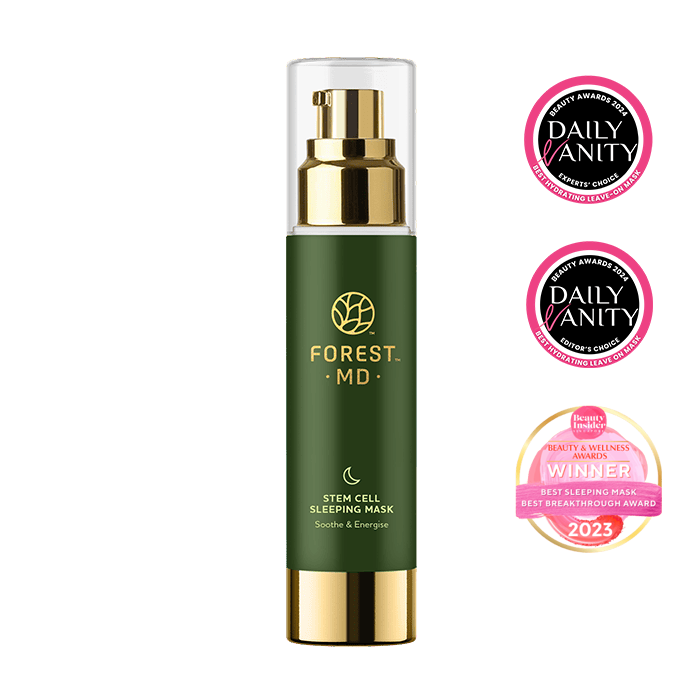
After cleansing and applying your essence and/or serum, apply Forest MD Stem Cell Sleeping Mask every evening, followed by your usual moisturiser.
The Stem Cell Sleeping Mask provides soothing, hydrating, antioxidant and anti-ageing care in one lightweight step. It contains Swiss apple stem-cell culture extract together with Vitamin C, Swiss garden cress, carnosine and peptides.
Swiss garden cress and Vitamin C provide antioxidant support against pollutants, free radicals and oxidative stress, while Swiss apple stem-cell culture extract and peptides support skin renewal and help improve the visible signs of ageing.
The Stem Cell Sleeping Mask has also undergone independent clinical testing, with improvements observed in the appearance of wrinkles and fine lines after 28 days, as well as in skin firmness, hydration and elasticity.
Its lightweight gel texture makes it suitable for daily use, including for sensitive skin, without the heaviness of a rich overnight cream.
Used every evening, it helps soothe and hydrate the skin overnight while supporting its recovery, so that the complexion looks fresh, rested and radiant the next morning.
For Very Dehydrated or Stressed Skin: Seal In Moisture
If your skin feels very dry, dehydrated or tight, Forest MD Intensive White Lotus Oil can be added to your evening routine for additional nourishment and moisture retention.
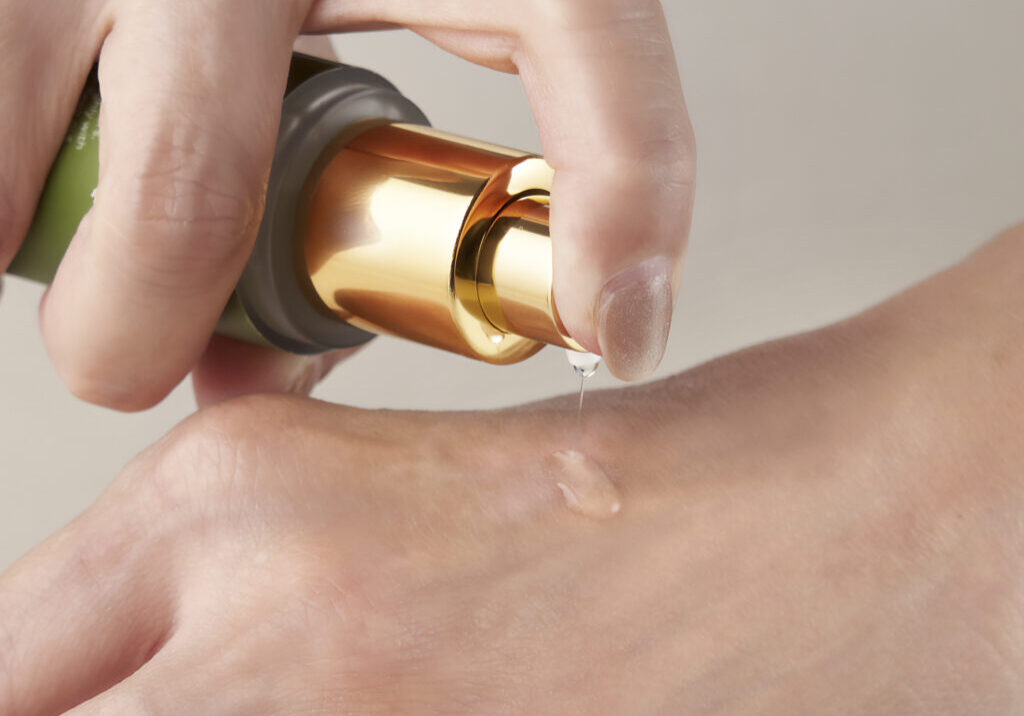
Pump two pumps of Hydrating Soothing Essence into your palm, add two to three drops of Intensive White Lotus Oil, mix them together and apply over the face and neck.
This combination is also useful around the delicate under-eye and lip areas, which can become dry or sensitive during haze season. Gently pat a small amount over these areas for additional hydration and soothing care.
Adding a little facial oil can also help reduce transepidermal water loss (TEWL), helping your skin hold on to moisture for longer.
Intensive White Lotus Oil is formulated with 100% natural plant oils, including camellia, lotus and blue magnolia oils, together with squalene, to provide additional nourishment and help dry or dehydrated skin retain moisture.
It does not need to be added every night if your skin is already adequately hydrated. Use it when dryness, tightness or dehydration is more pronounced.
What Should You Reduce When Your Skin Is Stressed?
If your skin begins to burn, sting, itch, peel or become unusually red during haze season, temporarily stop products or treatments that may further irritate or disrupt the skin barrier. These include:
- Strong acids and exfoliating pads
- Facial scrubs and cleansing brushes
- High-strength retinoids
- Intensive exfoliation
- Multiple active serums layered together
- Any product that appears to aggravate your skin
Focus instead on gentle cleansing, hydration, moisturising and soothing, barrier-supporting skincare.
Once your skin feels comfortable again, your usual active ingredients can be reintroduced gradually, according to your skin’s needs and tolerance.
When the skin is irritated or reactive, a simpler routine is often better tolerated.
If redness, itching, swelling or irritation persists or continues to worsen despite simplifying your skincare, seek medical advice rather than continuing to add or change products.
A Simple Haze-Season Routine
Morning Routine
Evening Routine
Keeping Skin Healthy During Haze Season
At Forest MD, our approach has always been that healthy skin starts with a healthy skin barrier. During haze season, rather than doing more to your skin, pay attention to what it is telling you.
If it is dry, hydrate it.
If it is irritated, simplify.
If it feels comfortable, keep your routine consistent.
Skincare should support your skin, not overwhelm it.
References
- Parrado C et al. Environmental Air Pollutants Affecting Skin Functions with Systemic Implications. International Journal of Molecular Sciences. 2023.
- Impact of Airborne Particulate Matter on Skin: A Systematic Review from Epidemiology to In Vitro Studies. 2020.
- Khunger N, Dash A. Impact of Air Pollution on Skin Pigmentation: Mechanisms and Protective Strategies.International Journal of Dermatology. 2025.
Best Sellers
Stem Cell Sleeping Mask
Price range: $60.00 through $148.00Clinically-proven anti-ageing, firming and soothing
Need some skincare advice?
Book a Free Skin Consultation to find out more
Shop the Range
Shop by Concerns
Featured Product
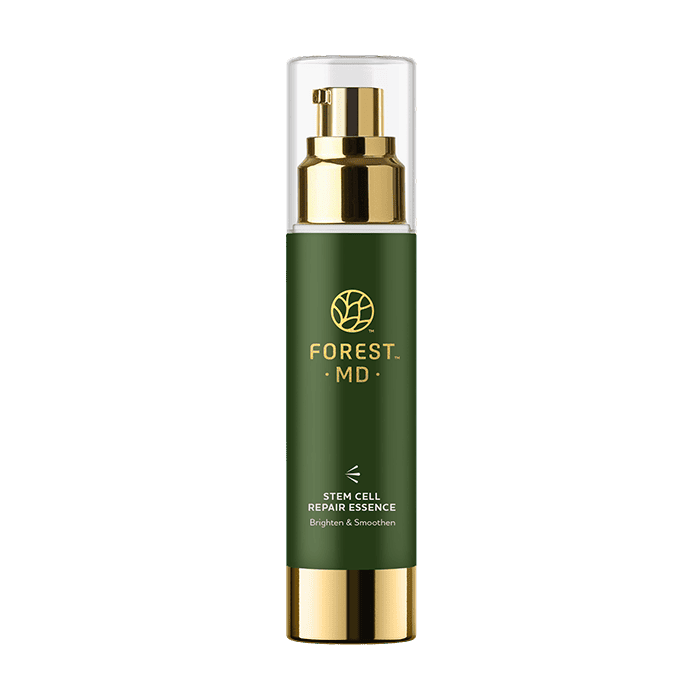
Apple Stem Cell Series
Hailed by Vogue magazine as a “super-apple” and “the fountain of youth”, the Uttwiler Spätlauber apple from Switzerland is known for its extraordinary ability to stay fresh without shrivelling.
More Skin Care Tips & Articles

Jet-Set Glow: How to Look and Feel Your Best While Travelling
In this article, we’ll explore practical strategies to keep your skin well-hydrated and healthy during your travels, whether for business or leisure. These tips are especially valuable for those embarking on special journeys like business trips, and special events like weddings, where maintaining clear, youthful skin is a top priority.

Wake Up to Radiance: How Sleeping Masks Are Changing Skincare
A sleeping face mask is a convenient and effective way to replenish your skin, acting like a mini-skin reviver. Among the numerous options available on the market, a common issue is the lack of potency and potential sensitivity triggers from ingredients.

Top Anti-ageing Skincare Tips
Discover the secrets to healthy and glowing skin as we share our top anti-ageing tips that are simple, effective, and easy to incorporate into your daily routine.
Glow Up with Vitamin C: The Skincare Must-Have for a Dazzling Complexion
Vitamin C is a remarkable addition to the world of skincare, offering benefits that contribute to a glowing and youthful complexion. We explore the power of Vitamin C and how this potent ingredient holds the secret to achieving a radiant and flawless appearance, making it a valuable asset in your skincare routine. The Power of…

Skincare Basics
Skincare is overwhelming. The sheer number of products available will confuse even the most beauty-savvy consumer.
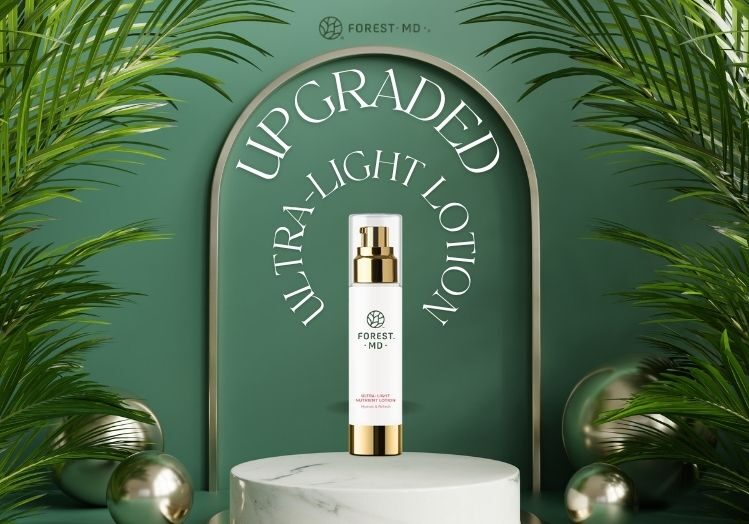
The Ultra-Light Lotion you love just got an upgrade…
At Forest MD, we are constantly refining our formulas to ensure our high-potency Swiss actives perform at their absolute peak.
We’ve recently upgraded our Ultra-Light Nutrient Lotion to a more resilient light cream base.
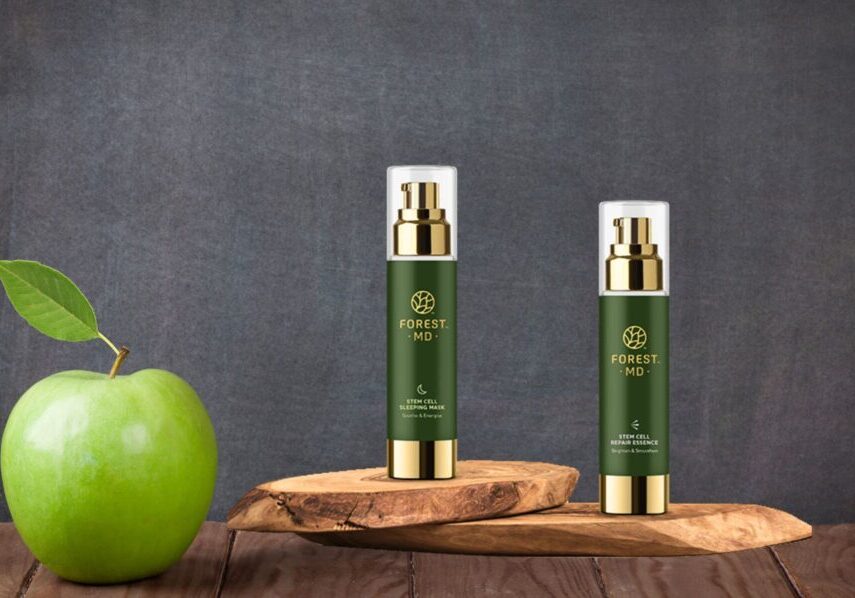
Stem Cells in Skincare and the Power of Stem Cell Sleeping Masks
Stem cells have garnered significant attention in the skincare industry for their potential in rejuvenating and improving skin health. We explore the frequently asked questions surrounding stem cells in skincare and introduce the concept of stem cell sleeping masks. Discover the numerous benefits of harnessing the power of stem cells to combat ageing while promoting…
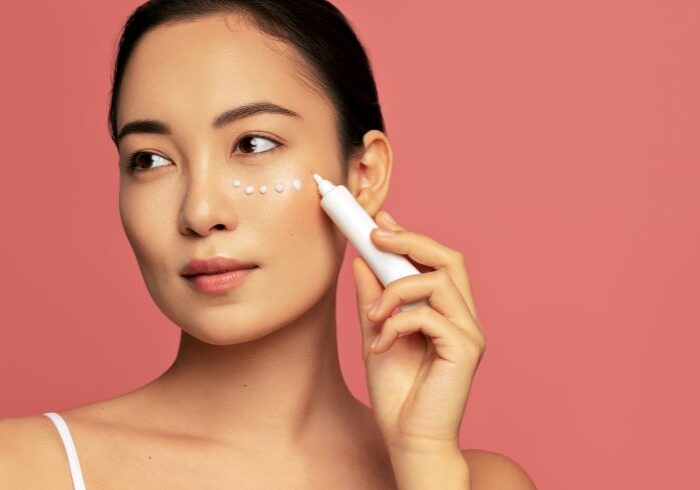
3 eye cream mistakes you don’t want to make
Eye cream is a must to protect the delicate skin around your eyes. Apply a little to your crow’s feet and voilà – you’re done, right? Wrong. Make sure you’re not making one of these common application mistakes.

Pregnancy, Postpartum & Your Skin: What Every Mum Should Know
Pregnancy is a time of remarkable change, and your skin reflects much of what’s happening inside your body. While skincare might feel like a luxury, during pregnancy and postpartum it’s also about safety, comfort, and protecting your skin for the long term. Why Your Skin Changes During Pregnancy and After From the first trimester onwards,…

Glowing, Growing, and Blemish-Free: 5 Pregnancy-Safe Skin Tips
Pregnancy skincare shouldn’t be complicated. FOREST MD offers a pregnancy & breastfeeding-safe skincare set, a curated collection of clean formulations, designed to address common concerns while prioritising safety for mother and baby.
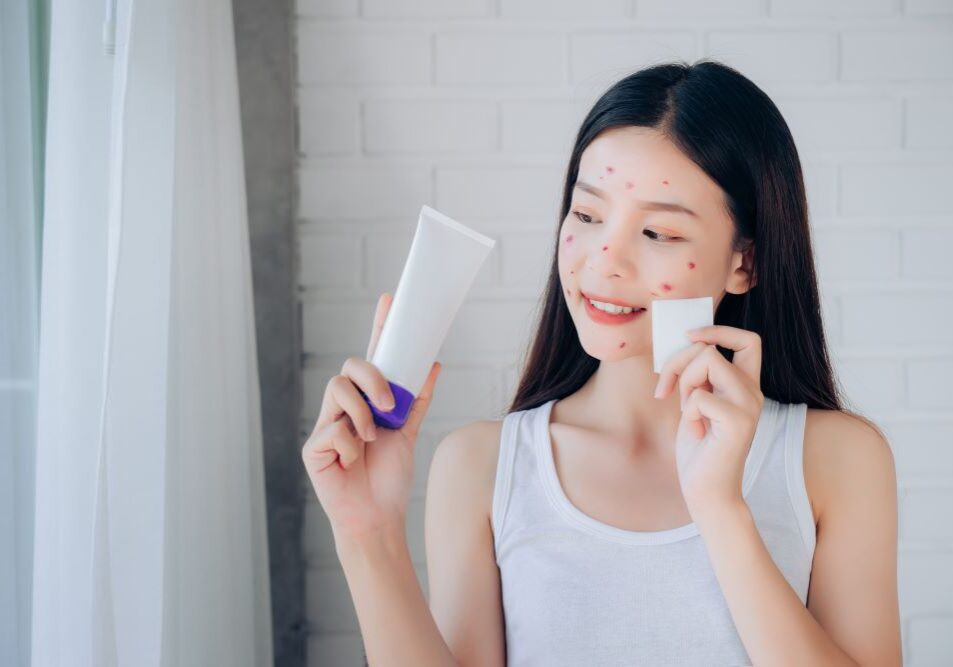
Teenage Tweenage Skincare
A good basic skincare routine makes for cleaner and calmer skin while navigating through the raging hormones of growing up.
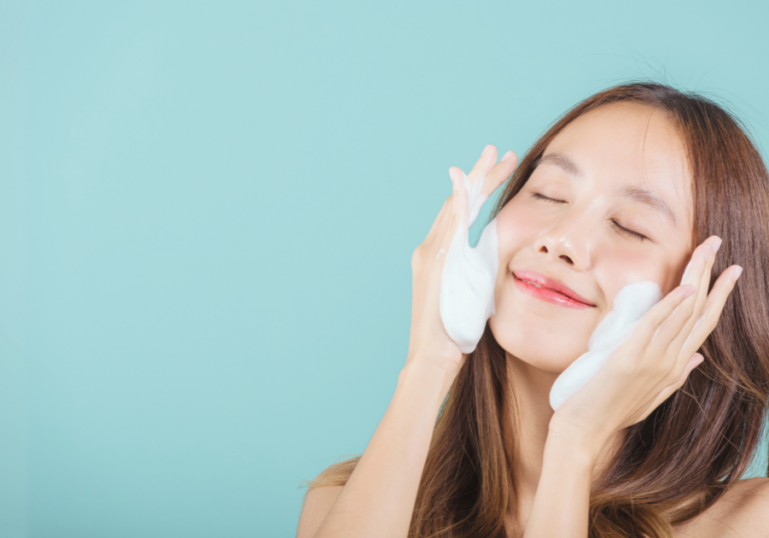
Why a Good Cleanser is an Absolute Must for Clear, Healthy Skin
Cleansing is your skincare regime’s first (and might be the most important) step. Forest MD offers a range of cleansers for all skin types, including sensitive skin. Cleansing removes dirt, makeup, and excess oil, keeping the skin looking and feeling clean and fresh.
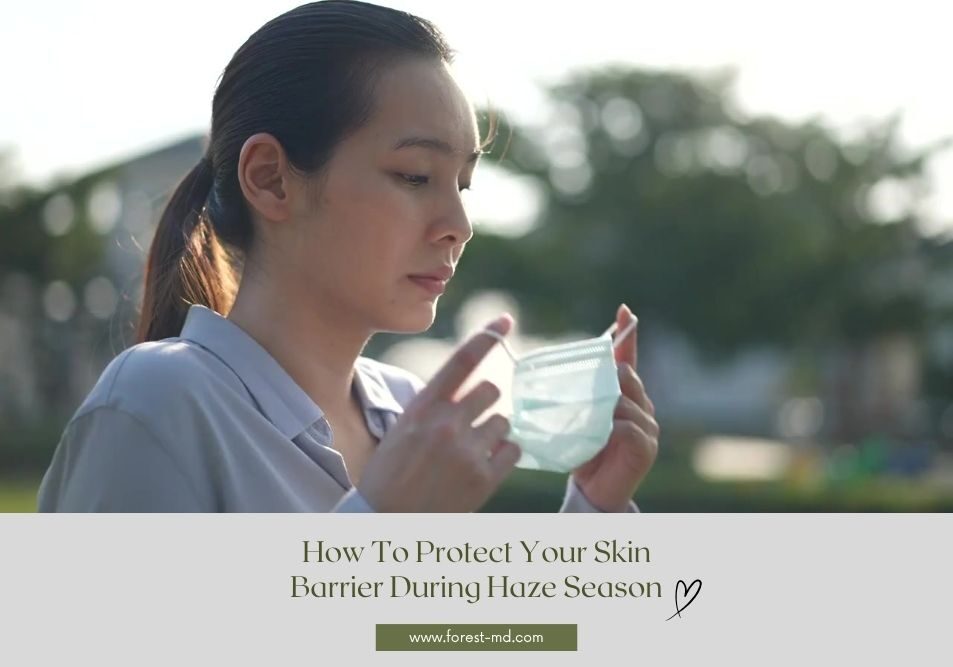
How To Protect Your Skin Barrier During Haze Season
When the haze arrives, you may notice that your skin suddenly feels more dry, tight, sensitive or itchy. Some people notice more pimples or congestion, while others find that skincare products they normally use begin to sting.
Best Ingredients For Glowing Skin
When it comes to achieving glowing skin, the right ingredients can make all the difference. As we age, maintaining a youthful and radiant complexion becomes a challenge. The gradual decline of collagen, a vital protein responsible for firm and smooth skin, can result in the appearance of fine lines, wrinkles, and sagging. However, there is…
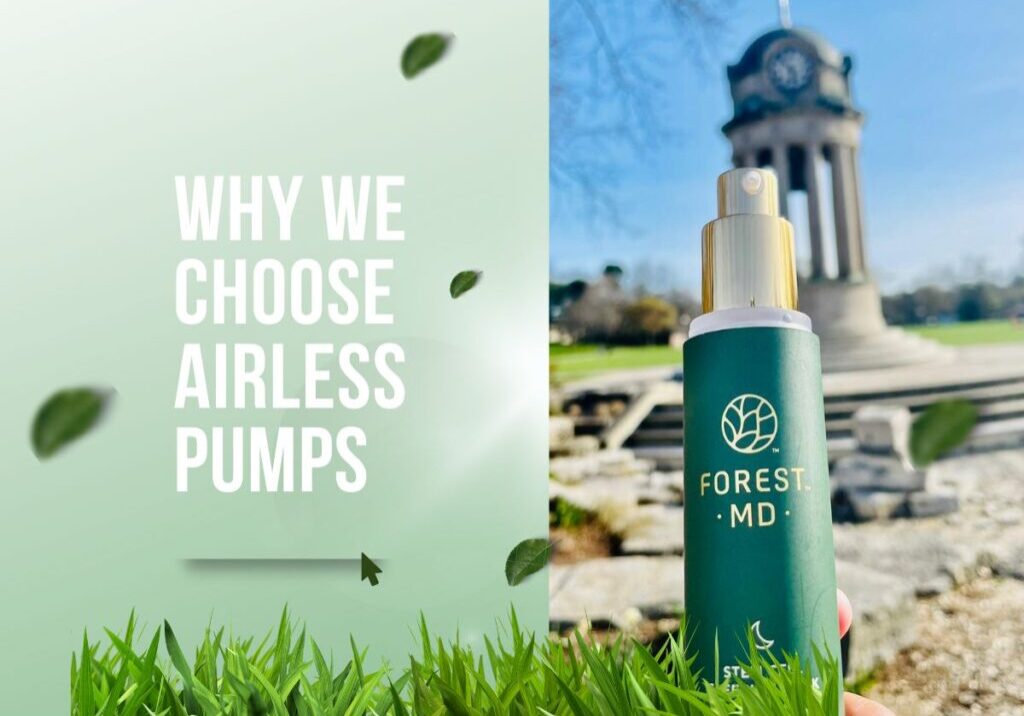
Why Packaging Matters: Why We Choose Airless Pumps (And How to Fix Common Pump Issues)
“Why doesn’t Forest MD use jars?”
“Can’t the bottles be clear?”
“I like to see how much product is left.”
We often receive these questions from clients: read more

How to Safely Fix Common Skin Concerns If You’re Pregnant
It’s tough enough being pregnant and dealing with all the hormonal and physical changes this brings. You don’t need the added stress of worrying if your skincare is safe for your little one. Let us help with some quick tips on the dos and don’ts of pregnancy-safe skincare!
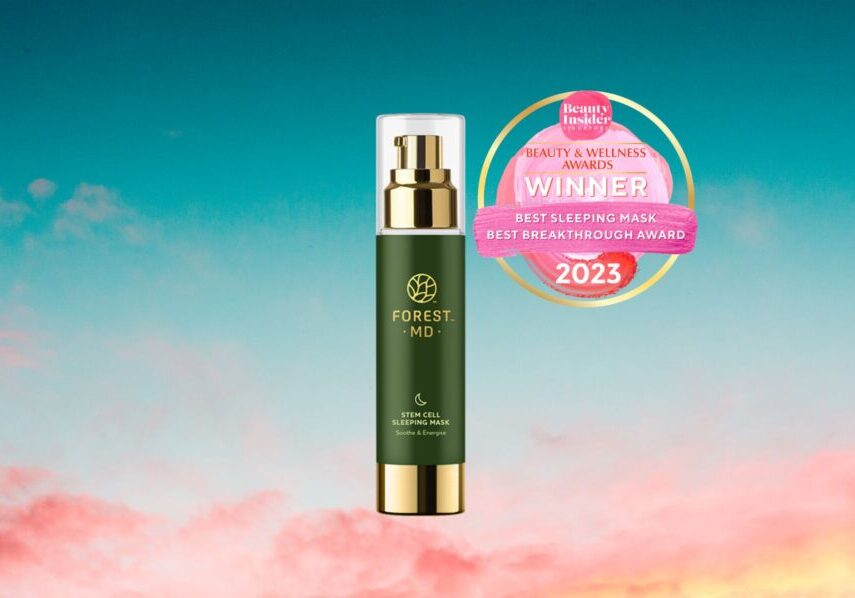
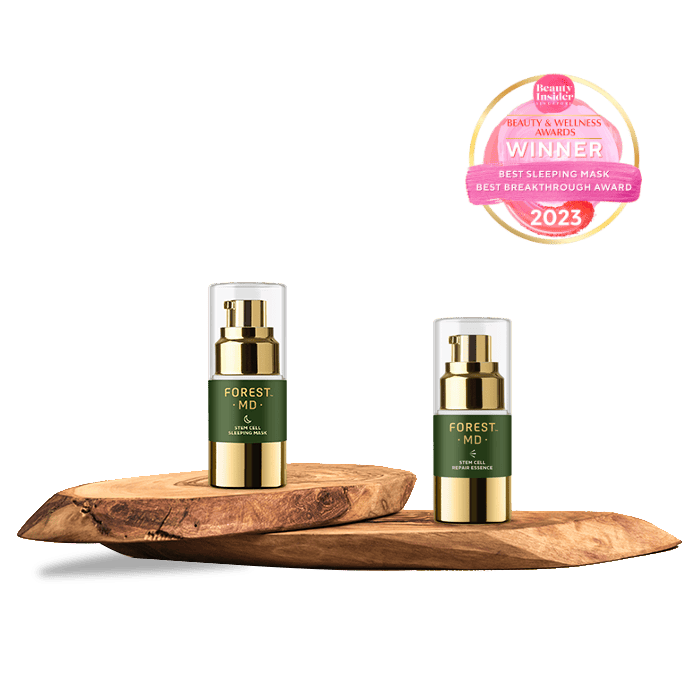
Winner of Best Skincare 2023, Best Sleeping Mask & Best Breakthrough Award by Beauty Insider
Powered by stem cells from rare heirloom Swiss apples, Forest MD Stem Cell Sleeping Mask is more than just a skincare product—it’s a multipurpose solution for your skin’s needs. This refreshing gel is an anti-ageing serum, soothing mask, hydrating overnight treatment, and eye treatment gel all in one!

Skin Warrior: Your First Line Of Defence
When it comes to finding the right skincare products for skin barrier repair, a range like Forest MD offers safe and effective products meticulously created by doctors. Here are some of our favourite skincare ingredients with excellent hydration and anti-ageing benefits that keep skin healthy, youthful and resilient:

A Guide To Pregnancy-Safe Skincare
Our carefully curated pregnancy-safe skincare set for that glowing mummylicious skin. It contains all you need to manage your skincare while pregnant and is one of the best pregnancy safe skin care sets available.

7 Sunscreen Rules That Make All the Difference (Especially in Our Climate)
In a skincare world filled with serums, exfoliants, and active ingredients, sunscreen remains the most essential and often misunderstood step. It’s your skin’s best defence against premature ageing, pigmentation, and long-term damage. Yet many people still treat sunscreen as optional or use it inconsistently. Here are 7 sunscreen rules that will transform the way you…
Debunking the Myth of Face Oils
Face oils often get a bad rap, labelled as pore-clogging, too heavy, or unsuitable for tropical climates and younger skin. In reality, oily skin often signals dehydration beneath the skin surface, leading to excess sebum production that clogs pores. The Truth About Face Oils Not all face oils are created equal. They are rated 0-5…

Things I wish I knew about skincare before I turned 50!
Hydration is Key: In my 50s, maintaining optimal hydration has become paramount. I focus on replenishing my moisture levels, revitalising my skin’s natural resilience, and diminishing the appearance of fine lines and wrinkles. I’ve experienced the transformative power of well-hydrated skin, radiating with a healthy glow.
Niacinamide: The Key to Radiant Skin
When it comes to skincare, niacinamide (Vitamin B3) stands out as a multipurpose and powerful yet gentle ingredient that can effectively address a wide range of concerns. Its anti-inflammatory properties help reduce redness and promote skin recovery.
The Forest MD Touch
With our latest rebranding to Forest MD, we are pleased to share the few changes that we’ve implemented based on what we hear on the ground.
Skin Deep: Why Clean Skincare Is Better For Our Health
Our approach to clean skincare includes using safe, effective ingredients—naturally derived or synthetic—to protect your skin and enhance its health. We focus on formulations that avoid unnecessary irritants while delivering the best possible results for your skin.
Timeless Beauty With Ginseng
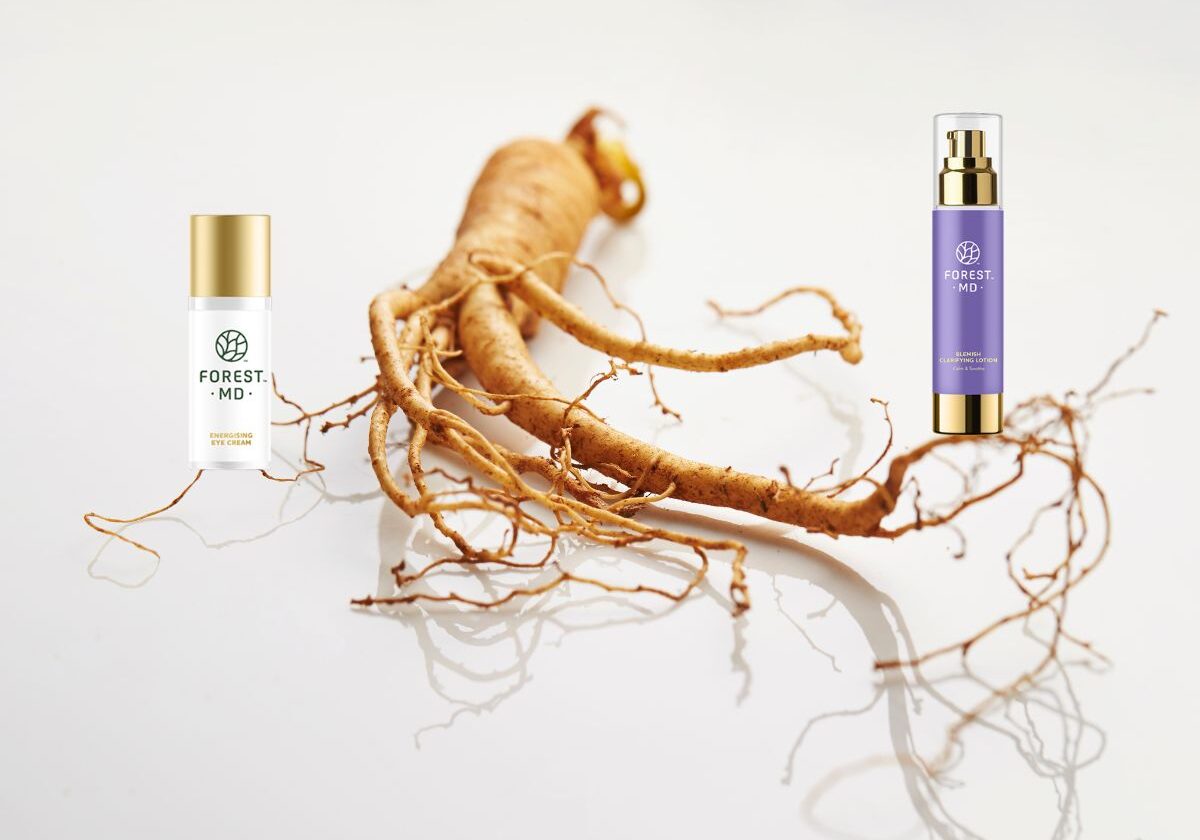
In the world of skincare, nature often holds exquisite solutions, and one such marvel is Panax Ginseng Root Extract. Derived from the roots of the Panax ginseng plant, this traditional medicinal herb is widely used in cosmetics for its potential skincare benefits.
Forest MD Introduces The New Liquid Exfoliant
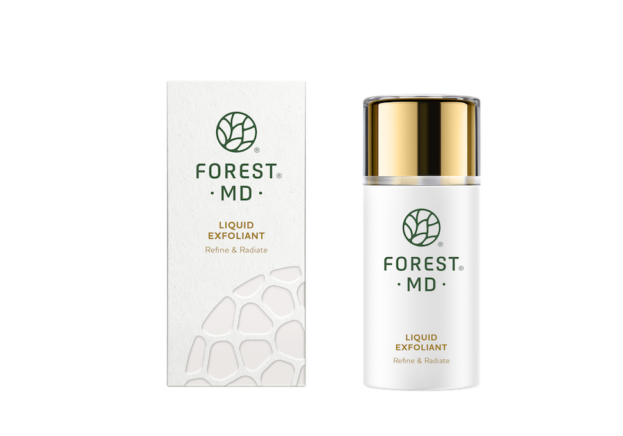
With regular long-term use, skin appears renewed, more youthful and more radiant.
Suitable for all skin types, especially acne or pigmentation-prone skin. This product can also be used on the body, chest or arms to smoothen skin, target keratosis pilaris, or fade pigmentation marks.